Be yourself; Everyone else is already taken.
— Oscar Wilde.
This is the first post on my new blog. I’m just getting this new blog going, so stay tuned for more. Subscribe below to get notified when I post new updates.
Be yourself; Everyone else is already taken.
— Oscar Wilde.
This is the first post on my new blog. I’m just getting this new blog going, so stay tuned for more. Subscribe below to get notified when I post new updates.
The blood circulation system of human body mainly has three types of vessels – Arteries, Veins & Capillaries. Just to give you an idea of how vast this amazing network is spread out in our body, the total length of these vessels could circle our earth twice. All these three vessels have its own function and with failure in one our system could collapse in no time.
Veins are the most important function to perform; it carries the deoxygenated blood from all part of the bodies back to the heart. There are different types of issues can arise with veins, but two most common type of problems are Varicose Veins & Spider Veins. The problem to the concern person is not only about a bad looks but it is also painful, constant discomfort & it gets more severe if untreated. If you or your loved ones are suffering; you can get help from our best vascular surgeon in Pune Dr. Yadav Munde.
Varicose Veins – Large, raised, superficial swollen veins visible through skins. As per study, it affects up to 50% of women & 25% of men. The reason for this problem is abnormal blood flow through leg veins. This veins generally flows blood to heart upwards but if blood travel downward the veins gets pressurised causing veins to twist, swollen & bluish in colour.
Spider Veins – Different from varicose veins problem, spider veins are very thin, small, clustered like spider webs or starburst, purplish-blue or red in colour and close to skin. Most common in women than men and quite often after pregnancy.
Causes for this problem are Age, Hereditary, Occupation (Prolonged sitting/standing), Obesity, Pregnancy, Birth control pills, Hormonal changes etc.
Dr. Yadav Munde, renowned Vascular & Interventional Radiologist in Pune, recommends below non-surgical procedures for varicose or spider veins-
We may not be able to prevent Varicose & Spider Veins from happening as it depends on many factors out of which on some factors we do not have control. Below are some preventive actions we can do –
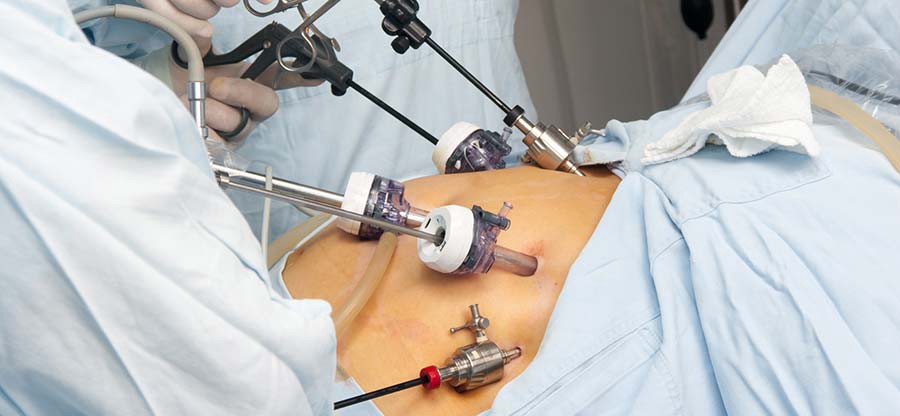
What is Endovascular Surgery?
Endovascular surgery is a Minimally invasive surgery common in hospitals. These methods are done through tiny incisions rather than one big opening. Because the incisions are tiny, patients tend to have faster healing times and fewer discomfort than with conventional surgery all with the corresponding advantages. The most maximum of the interventional methods do to need only local anesthesia, hospital visits are very low, with patients usually going home on the same day. Minimally invasive surgery is happiness for the patients who are incapacitated for surgery.
1)Some marks on the outside:
Scars from minimally invasive surgery are much less than in conventional open surgery. Laparoscopy requires 1 incision in the belly button and 1 to 3 others in the below belly. These incisions are normally 1/4–1/2 inch long. Hysteroscopy gives no scar because the device goes through the original opening (neck of the womb) from the vagina into the uterus.
2)Some scars on the inside:
In common, all surgery can create adhesions or scar tissue inside your lower belly abdomen. These scars can produce pain, difficulties with getting pregnant, or bowel blockage. Minimally invasive surgery may produce less scarring.
3)More responsive improvement:
Minimally invasive surgery doesn’t need a woman to stay overnight in the hospital, associated with 2 to 4 days after open surgery. This decreases the uncertainty of difficulties such as blood clots in the legs or infection.
4)Less pain, less medication:
Because incisions are more modest, minimally invasive surgery is small painful than open surgery. This indicates that women require less pain medication and improve more quickly.
Dr. Yadav Munde is among a handful of Interventional Radiologist in Pune, who possess an additional qualification in Interventional Radiology and practice Interventional Radiology exclusively.

1.Biopsy: Interventional Radiology could be a simple procedure like taking a biopsy. This is done with the ultrasound or CT scanner so that the expert can see the needle. The needle is set perfectly in the tumor and the risk of biopsy is very subdued. The identical procedure can be used to remove pus or blood that has collected in the chest or abdomen. Following CT or US guidance a catheter can be put into the collection. A simple procedure that protects the patient from major surgery.
2.Angioplasty: On the Digital subtraction angiography, the catheter is introduced inside the blood vessel to do the angiogram and can be used to manage many diseases. A blocked vessel can be opened with a catheter with a balloon.
3.Embolization: There are some situations where a vessel must be blocked as part of the treatment. When there are critical bleeding and blood exchange does not support, preventing the blood vessel from the center will save a life. This method is described Embolisation and is the chosen way of using GI bleeds due to Psuedoanerysms.
4.Chemoembolization: This is a way where the cancer medicine is injected right into the blood vessel going into the tumor. The common consequences of using cancer medicines can be avoided and specialists can guarantee that the tumor gets a high dose. This treatment choice is now being given to patients with liver cancer who cannot have surgery.
5.Radiofrequency Ablation: A likely new method for handling small (<4cm) hepatocellular carcinomas and metastasis from colorectal cancer. Radiofrequency Ablation means placing a 16G needle into the lesion under US or CT administration and allowing tumor ablation by heating.
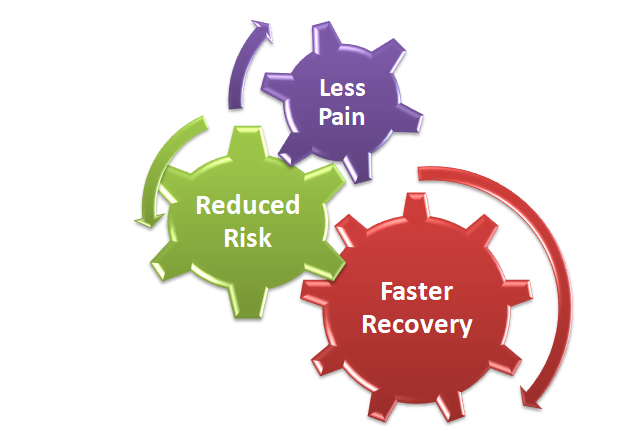
Interventional radiology gives excellent benefits to patients who require diagnosis and therapy of disease and pain of all kinds. First, interventional radiology may be used to decide if a patient requires surgery while reducing the demand for exploratory surgery.
Additionally, interventional radiologists use the most diminutive invasive techniques possible, offering only small incisions when needed. This usually happens in more reliable and more efficient results than conventional surgery. And, because it is minimally invasive, patients typically experience less pain and some risks with a quicker improvement.
1.Less Pain:
With only small holes, interventional radiology permits patients to get diagnostic and therapeutic methods with considerably fewer pain than traditional surgery. This also indicates you won’t require stitches or long bandages as you heal.
2.Reduced Risk:
small incisions require only Interventional radiology procedures, It’s decreasing the uncertainty of disease or other difficulties. And, unlike conventional surgery, most methods do not need the patient to bear common anesthesia. Preferably, patients help from local anesthetics and sedation that prevents pain and gives them warm during their quick procedure. Also, interventional radiologists can lead to specific therapy straight to infected organs, arteries, and veins, decreasing the chance of damage to encompassing healthy body parts.
3.Faster Recovery:
Related to conventional surgery, patients who experience interventional radiology practice a quicker healing time, since most maximum systems need only a single, small hole. Most maximum interventional radiology procedures are performed in the outpatient setting, providing our patients to return home the same day they get treatment.
Varicose veins are twisty protruding veins on the legs made by a raised in the whole venous pressure. They manage to get bigger and more violent with time and are usually worn typically making tired legs, itching, throbbing, anxiety, and aching. They can suffer particularly in the old after almost minor trauma.
The raised pressure usually makes skin loss and in many patients, actual ulceration of the skin happens which takes months to recover without appropriate treatment.
Dr. Yadav Munde is the best Interventional Radiology Consultant in Pune and is attached to almost all major hospitals in Pune i.e Ruby Hall, Jehangir Hospital, Aditya Birla Hospital, Niramaya Hospital, Lokmanya Hospital etc.Dr. Yadav Munde has performed over 5000 Interventional Radiological (Vascular and Non-Vascular) procedures to date. He is the best Vascular & Interventional Radiologist in Pune.
Dr. Yadav Munde, Consultant Interventional Radiologist recommends the following 2 types of non-surgical procedures for varicose or spider veins.
1) Laser Ablation Treatment (Non-surgical)/ Radiofrequency Ablation
Endovenous (or vein) ablation is a minimally invasive outpatient procedure for venous insufficiency that is made using ultrasound guidance. After using a local anesthetic to the skin above the vein, an interventional radiologist injects a thin tube called a catheter, about the size of a strand of spaghetti, into the abnormal saphenous vein. Through this catheter, laser or radiofrequency energy is used to the inside of the vein to seal it closed.
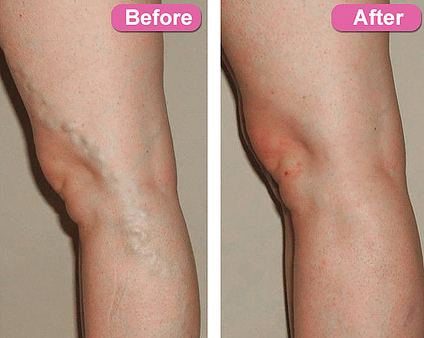
2) Sclerotherapy
To eliminate varicose veins and spider veins the medical procedure is used called Sclerotherapy. Sclerotherapy includes an injection of a salt solution directly into the vein. The solution burns the lining of the blood vessel, making it swell and hold together, and the blood to clot.
Varicose veins are enlarged, swollen veins that usually develop on the legs and feet. They occur when the valves in the veins do not work accurately, so the blood does not move efficiently.
The veins infrequently require treatment for health reasons, but if inflammation, aching, and sore legs result, and if there is significant discomfort, treatment is possible.
Oncology is a branch of medicine that deals with tumors. Oncology is concerned with the diagnosis of any cancer in a person (pathology), therapy (e.g. surgery, chemotherapy, radiotherapy, and other modalities), follow-up of cancer patients after successful treatment and palliative care of patients with terminal malignancies. Dr. Yadav Munde Provides awesome Non-Surgical Treatments for cancer in Pune.
Types of Minimally Invasive Onco Interventions:
1) Percutaneous interventions
2) Radiofrequency (RF) ablation
3) Cryoablation
4) Percutaneous ethanol injection (PEI)
5) Microwave ablation
6) Transarterial interventions
7) Transarterial chemoembolization (TACE)

Cancer patients often have to deal with severe side effects and psychological distress during cancer treatment, which has a substantial impact on their quality of life. Among psychosocial interventions for reducing treatment‐related side effects, relaxation and imagery were most investigated in controlled trials. In this study, meta‐analytic methods were used to synthesize published, randomized intervention–control studies aiming to improve patients’ treatment‐related symptoms and emotional adjustment by relaxation training. Mean weighted effect sizes were calculated for 12 categories, treatment‐related symptoms (nausea, pain, blood pressure, pulse rate) and emotional adjustment (anxiety, depression, hostility, tension, fatigue, confusion, vigor, overall mood). Significant positive effects were found for the treatment‐related symptoms. Relaxation training also proved to have a significant effect on the emotional adjustment variables depression, anxiety and hostility.
Additionally, two studies point to a significant effect of relaxation on the reduction of tension and amelioration of the overall mood. Intervention features of the relaxation training, the time the professional spent with the patient overall (intervention intensity) and the schedule of the intervention (offered in conjunction with or independent of medical treatment to the cancer patient) were relevant to the effect of relaxation on anxiety.
The interventions offered independently of medical treatment proved to be significantly more effective for the outcome variable anxiety. Relaxation seems to be equally effective for patients undergoing different medical procedures (chemotherapy, radiotherapy, bone marrow transplantation, hyperthermia). According to these results, relaxation training should be implemented into clinical routine for cancer patients in acute medical treatment. Palliative care is the care given to recover the quality of life of patients who have severe or life-threatening diseases, such as cancer. Palliative care is an advance to care that addresses the person as a complete, not just their disease. The aim is to prevent or treat, as early as likely, the symptoms and side effects of the disease and its treatment, in addition to any connected psychological, social, and spiritual problems.
Purpose of Central Venous Access Device
Blood Vessels involved in Central Venous Therapy
Central Venous Access Devices
1.Port-a-Cath
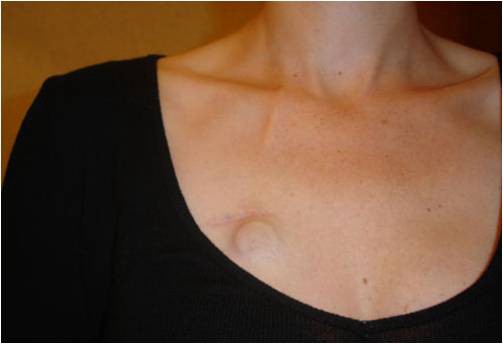
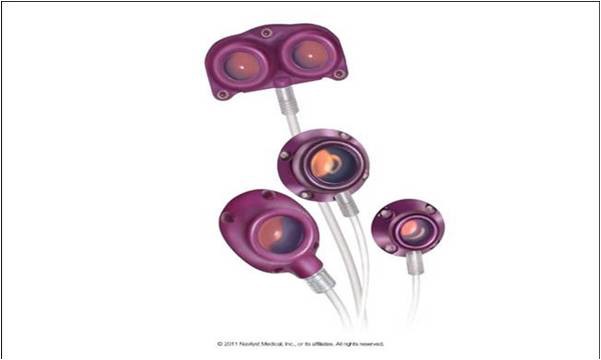
2.Hickmann Line

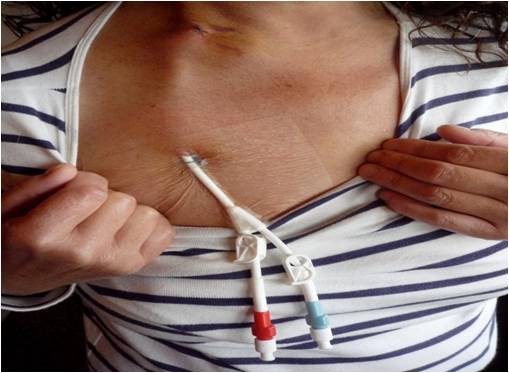
3.Short term central catheter


4.Peripherally Inserted Central Catheter
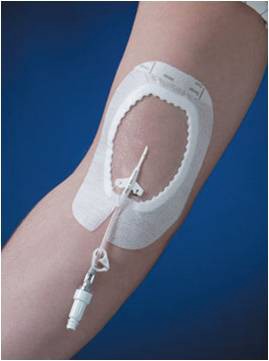
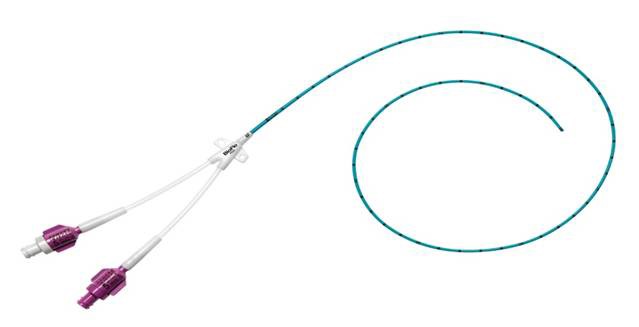
Dr. Yadav Munde is among a handful of Vascular Surgeon in Pune, who possess an additional qualification in Interventional Radiology and practice Interventional Radiology exclusively.
Known for his concise speak among colleagues and co-workers, Dr. Munde never hesitates to explain the MINIMALLY invasive procedures to patients.
Silent sinus syndrome (SSS) is a rare condition that can pose a diagnostic challenge. The patient may present with unilateral ptosis or retraction, a deep superior sulcus or orbital asymmetry. The medical history is often noncontributory. This condition is characterized by unilateral spontaneous enophthalmos and hypogeous due to increased orbital volume and retraction of the orbital floor. This occurs because of atelectasis of the ipsilateral maxillary sinus and when the condition is left untreated, it may result in complete obliteration of the sinus with worsening enophthalmos and hypogeous. The first two cases were reported in 1964, but the term “SSS” was coined 30 years later by Soparkar et al. Since that time, several case series have been published in both the ophthalmology and otolaryngology literature. To our knowledge, a number of these case reports in radiology literature are less and many radiologists remain unfamiliar with the syndrome and its characteristic radiological findings. In this article, we discuss the presentation, diagnosis, pathogenesis, and treatment of SSS.MRI of the patient was carried out for further evaluation and to rule out the underlying mass lesions. The T1- and T2-weighted images [Figures 2–4] showed downward displacement of the right orbital floor with a resulting increase in orbital volume. Right maxillary sinus was seen to be reduced in volume. However, it was completely opacified. There was also noted inward retraction of posterior and medial walls of the maxillary sinus which was causing a reduction in its volume [Figure 5]. So in view of clinical and imaging findings, the diagnosis of SSS was given. Computed tomography (CT) was not performed as MRI was sufficient as a diagnostic tool. The patient did not have any other complaints other than orbital asymmetry, so he refused to undergo functional endoscopic sinus surgery (FESS) or other therapeutic procedures.
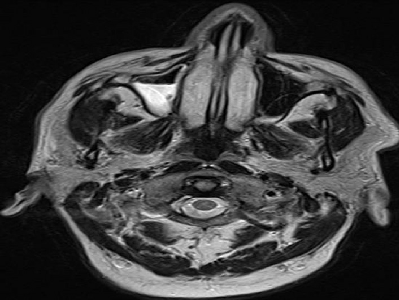
Figure 2: Axial T2-weighted images MRI image showing fluid level in
right maxillary sinus with a reduction in its volume

Figure 4: Coronal fluid-attenuated inversion recovery (FLAIR) image
showing a reduction in the volume of the right maxillary sinus with inward
retraction of its walls

Figure 3: Sagittal T2-weighted images MRI image shows a reduction
in the volume of the right maxillary sinus with inward retraction of its walls
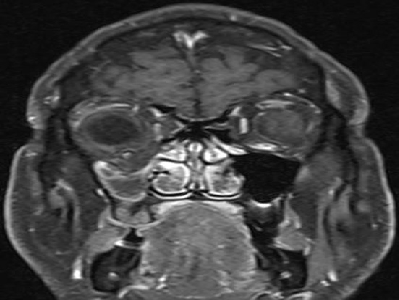
Figure 5: T1-weighted fat-saturated post-contrast MR image obtained
in the coronal plane displays inward retraction of posterior and medial walls
of the right maxillary sinus. There is also downward retraction of the orbital
floor into sinus lumen

It is a general strategy for people to skip breakfast because they are in a hurry or want to lose weight or feel lazy to cook breakfast. About one-third of people worldwide skip breakfast.
Breakfast is the most important meal of the day because it is the meal that makes the day started. Skipping breakfast begins to weight gain and adverse cardiovascular risk profile respectively. Irregular eating patterns (skipping breakfast) are connected with bad cardiac and metabolic risk forms. Skipping breakfast has been linked to a higher prevalence of several CV and metabolic risk factors, such as for overweight and central obesity, hypertension, glucose intolerance, and raised cholesterol levels. It has been confirmed in studies that people who have a tendency to skip breakfast were more likely to be smokers, alcohol drinkers, physically inactive and overweight.
Skipping breakfast producing overeating later in the day starting in turn to overweight and insulin resistance, increased blood pressure levels due to overactivity in the hypothalamic-pituitary-adrenal axis, and harmful changes in lipid levels.
Obesity, central adiposity, hypertension, higher cholesterol levels, blood glucose, and metabolic syndrome have been connected to skipping breakfast and in turn, can partly explain the connections between this lifestyle bad habit and increased deaths due to cardiac and vascular causes. Very recently, it has been shown that skipping breakfast is linked with the presence and severity of subclinical atherosclerosis (accumulation of cholesterol plaques in blood vessels).

To treat the swelling in blood vessels surgeons do endovascular surgical treatment in Pune which is one of the only and shortest invasive tactics. Are you looking for the Best Endovascular Surgeon in Pune who can help you with excellent solution then get in touch with the Dr. Yadav Munde who is the specialists of Vascular Surgery
Dr. Yadav Munde is among handful of Radiologists in India, who possess additional qualification in Interventional Radiology and practice Interventional Radiology exclusively. Hehas performed over 5000 Interventional Radiological (Vascular and Non-Vascular) procedures till date.

 Dr. Yadav Munde