What is Endovascular Surgery?
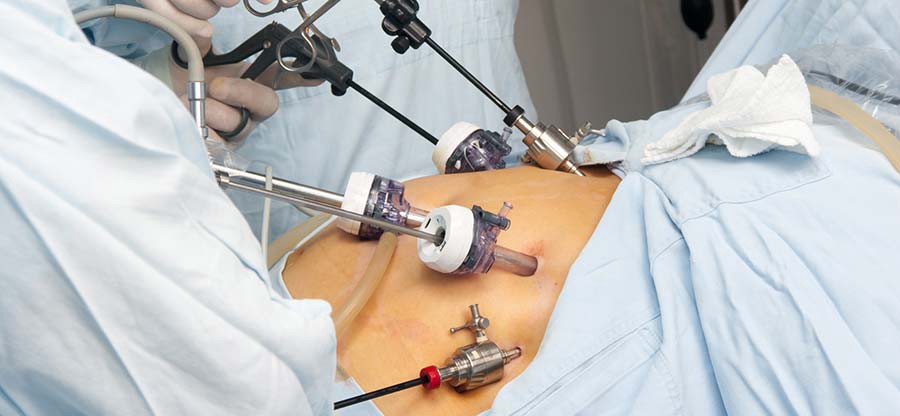
Endovascular surgery is a Minimally invasive surgery common in hospitals. These methods are done through tiny incisions rather than one big opening. Because the incisions are tiny, patients tend to have faster healing times and fewer discomfort than with conventional surgery all with the corresponding advantages. The most maximum of the interventional methods do to need only local anesthesia, hospital visits are very low, with patients usually going home on the same day. Minimally invasive surgery is happiness for the patients who are incapacitated for surgery.
1)Some marks on the outside:
Scars from minimally invasive surgery are much less than in conventional open surgery. Laparoscopy requires 1 incision in the belly button and 1 to 3 others in the below belly. These incisions are normally 1/4–1/2 inch long. Hysteroscopy gives no scar because the device goes through the original opening (neck of the womb) from the vagina into the uterus.
2)Some scars on the inside:
In common, all surgery can create adhesions or scar tissue inside your lower belly abdomen. These scars can produce pain, difficulties with getting pregnant, or bowel blockage. Minimally invasive surgery may produce less scarring.
3)More responsive improvement:
Minimally invasive surgery doesn’t need a woman to stay overnight in the hospital, associated with 2 to 4 days after open surgery. This decreases the uncertainty of difficulties such as blood clots in the legs or infection.
4)Less pain, less medication:
Because incisions are more modest, minimally invasive surgery is small painful than open surgery. This indicates that women require less pain medication and improve more quickly.
Dr. Yadav Munde is among a handful of Interventional Radiologist in Pune, who possess an additional qualification in Interventional Radiology and practice Interventional Radiology exclusively.
 Dr. Yadav Munde